

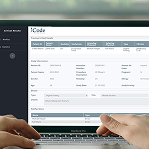
Vetting and Protocoling in Radiology

World Patient Safety Day is a reminder that protecting patients starts with the very first step of care. In radiology, that means ensuring imaging exams are requested, vetted, and protocolled correctly. Effective vetting and protocoling radiology workflows not only streamline operations but also directly impact patient safety.
Radiology Vetting Meaning
Radiology vetting is the careful review of imaging requests to ensure that each patient receives the correct test and protocol. This process reduces unnecessary exposure, improves diagnostic accuracy, and strengthens overall patient safety.
Why Vetting and Protocoling in Radiology Matters
Radiology is central to diagnosis and treatment planning. Each exam request must be carefully evaluated to confirm that the appropriate modality and protocol are applied. This step ensures:
1- The right exam is chosen for the patient’s clinical need.
2- Imaging protocols follow best practice and are consistent.
3- Diagnostic outcomes are accurate and reliable.
When vetting and protocoling are handled well, radiology teams gain control, clarity, and confidence in every exam performed.
What is Radiology Publications
Staying updated through trusted radiology publications allows healthcare professionals to follow the latest research, clinical guidelines, and technology trends. These resources help radiologists apply evidence-based practices and enhance the quality of care.
Risks of Missed Vetting: X-Ray Dosages and Repeated Radiology Exams
When exam vetting and protocoling are inconsistent, patients face real risks. Unnecessary x-ray dosages may be delivered if the wrong imaging study is approved. Likewise, miscommunication or errors in the vetting process can lead to repeated radiology exams, wasting time, resources, and exposing patients to additional risk.
By strengthening this step in the workflow, healthcare providers can significantly reduce these risks and enhance overall safety.
How iCode Vettpro Improves Patient Safety
At Rosenfield Health, we developed iCode Vettpro to transform how radiology teams manage vetting and protocoling.
iCode Vettpro helps ensure that:
1- Every patient receives the right exam with the right protocol.
2- Risks of unnecessary x-ray dosages are minimized.
3- Avoidable repeated radiology exams are reduced.
Radiology departments benefit from a structured, vendor-neutral solution that integrates seamlessly into existing workflows.
By embedding safety checks and standardisation at the start of the imaging pathway, iCode Vettpro makes radiology smarter, safer, and more efficient.
Radiology Information System NHS
The Radiology Information System NHS supports hospitals and clinics by managing patient records, scheduling imaging exams, and tracking reports. This system streamlines communication between departments, improves workflow efficiency, and ensures timely access to critical imaging data.
Patient Safety Day: A Reminder for Radiology Teams
On Patient Safety Day, we’re reminded that even the smallest improvements in workflow can have a lasting impact on patient outcomes. Vetting and protocoling radiology exams is not an administrative afterthought—it is a patient safety priority.
With solutions like iCode Vettpro, healthcare organisations can ensure safer imaging practices, protect patients from unnecessary risks, and deliver better care from the very first step.
Smarter vetting and protocoling in radiology play a vital role in reducing errors and ensuring consistent, high-quality imaging. By prioritizing patient safety and clear communication, healthcare teams can deliver more accurate diagnoses and better outcomes.
Ready to make your radiology workflow safer and smarter? Request a demo of iCode Vettpro today.
What is vetting in radiology?
Vetting in radiology is the process of reviewing imaging requests to confirm the correct test, protocol, and patient information, helping prevent unnecessary exposure and improve diagnostic accuracy.
How do smarter protocols improve patient safety?
Smarter radiology protocols standardize imaging steps, reduce radiation dose, and ensure the right exam is performed, which minimizes risks and supports safer, more reliable results.
