

National Breast Cancer Awareness Month UK

In breast cancer care, time and collaboration save lives. Across the NHS, hundreds of multidisciplinary team (MDT) meetings take place every week, bringing together radiologists, oncologists, surgeons, and pathologists to decide the best course for each patient. When these meetings run efficiently, they form the backbone of personalised cancer care. When they don’t, critical decisions risk being delayed.
As we mark National Breast Cancer Awareness Month UK, it’s worth reflecting on how much the structure of these meetings shapes patient outcomes. We often focus on the science; the imaging, the pathology, the treatment but the process that connects these disciplines is just as vital.
The MDT Challenge in Breast Cancer Care in the UK
Breast cancer MDTs in UK face unique challenges. The case volumes are high, and every discussion relies on information from multiple systems: PACS, pathology, EPRs, and previous MDT records. In many hospitals, this still means juggling different screens, shared drives, and spreadsheets.
The result is that valuable meeting time is lost to logistics. Important patient history gets trapped in silos, and the complete picture can be hard to see. The issue isn’t a lack of expertise; it’s that the workflow hasn’t kept pace with the demands of modern care.
Why Streamlining Breast Cancer MDTs in the NHS Is Essential?
When we talk about innovation in breast cancer, we often think of new imaging techniques or AI tools. But streamlining MDTs is just as critical. Having quick access to a patient’s full history, imaging, pathology, and past discussions in one place transforms the quality of decision-making.
A well-structured MDT platform allows clinicians to:
- Review prior discussions and treatment paths instantly.
- Identify changes or missed follow-ups quickly.
- Keep documentation consistent for audit and continuity.
- Focus meeting time on clinical insights, not admin tasks.
Smarter MDT workflow solutions don’t just make meetings faster; they make decisions clearer and more confident.
How NHS Breast Cancer MDTs Bridge Gaps Between Trusts?
Another persistent challenge is the shortage of specialists across some trusts. Breast cancer MDTs often depend on expert input from other sites, but traditional collaboration methods—downloading studies, sending emails, or manually transferring data—are slow and fragmented.
Remote participation should now be the norm. A modern MDT system must allow experts from other trusts to join virtually, review studies securely, and contribute in real time. This isn’t just a convenience; it’s essential for ensuring every patient benefits from specialist expertise, regardless of geography.
Why Complete Patient Data Matters in Breast Cancer MDTs
An MDT only works when everyone has access to the same information. To make informed decisions, clinicians need to see a complete, connected view of the patient’s journey; past scans, pathology, reports, and previous MDT notes all in one place.
When that happens, teams can identify patterns earlier, track tumour progression accurately, and decide with greater confidence. The difference between a good MDT platform for radiology and a great one often comes down to how clearly the team can see the story behind the data.
Learn more about: Breast Cancer Awareness at Rosenfield| The Role of AI in Breast Cancer Innovation
Smarter MDT Platforms for Breast Cancer Decision-Making
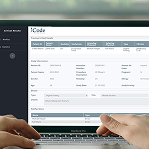
Across several NHS trusts, platforms purpose-built for MDT management, such as iCode MDT, are helping teams overcome these barriers. By automating preparation, linking systems, and surfacing relevant information at the right time, these tools free clinicians to focus on clinical decisions rather than administrative details.
The benefit goes beyond saving time. Smarter systems reduce stress, prevent information loss, and make collaboration more inclusive. When the process works, expertise flows naturally.
Leading the Change
The future of breast cancer care depends on more than technological breakthroughs. It depends on how well we collaborate. streamlining breast cancer care MDTs isn’t an IT upgrade; it’s a clinical priority. It ensures that vital information isn’t missed, that specialist insight is accessible, and that every patient receives the attention they deserve.
Healthcare leaders have a responsibility to create systems that connect, not complicate. Simplify, not slow down. Empower clinicians to do what they do best: make informed, timely decisions that save lives.
Smarter MDTs mean stronger outcomes. And that’s the standard breast cancer care should aim for every single day.
At Rosenfield Health, our iCode MDT platform helps NHS breast cancer teams streamline workflows, reduce delays, and improve patient outcomes.
FAQs
What is an MDT in breast cancer care?
An MDT (multidisciplinary team) in breast cancer care brings together radiologists, oncologists, surgeons, and pathologists to plan the best treatment for each patient.
Why are MDT meetings important in the NHS?
MDT meetings ensure patient cases are reviewed by multiple specialists, reducing errors and improving personalised cancer care.
How can technology improve breast cancer MDTs?
Modern MDT platforms integrate imaging, pathology, and records in one place, saving time and making decisions more accurate.
What challenges do breast cancer MDTs face?
They face high case volumes, fragmented systems, and shortages of specialists, which can delay decision-making.
How does streamlining MDTs benefit patients?
Streamlined MDTs reduce delays, improve access to specialist input, and lead to faster, more confident treatment decisions.
