

Peer Review in Radiology
The reliance on diagnostic radiology has recently become a very important tool in making medical decisions in various specialities. This makes the accuracy of radiology reports crucial to ensure the accuracy of diagnosis, ensure patient safety, and thus provide them with the appropriate treatment. In order to achieve high degrees of accuracy in radiology reports, the idea of peer review in radiology emerged as one of the most important tools used within the radiology department to improve quality and reduce potential errors in the process of diagnosing patients. In this article, we will talk about this process in some detail.
What is peer review in radiology?
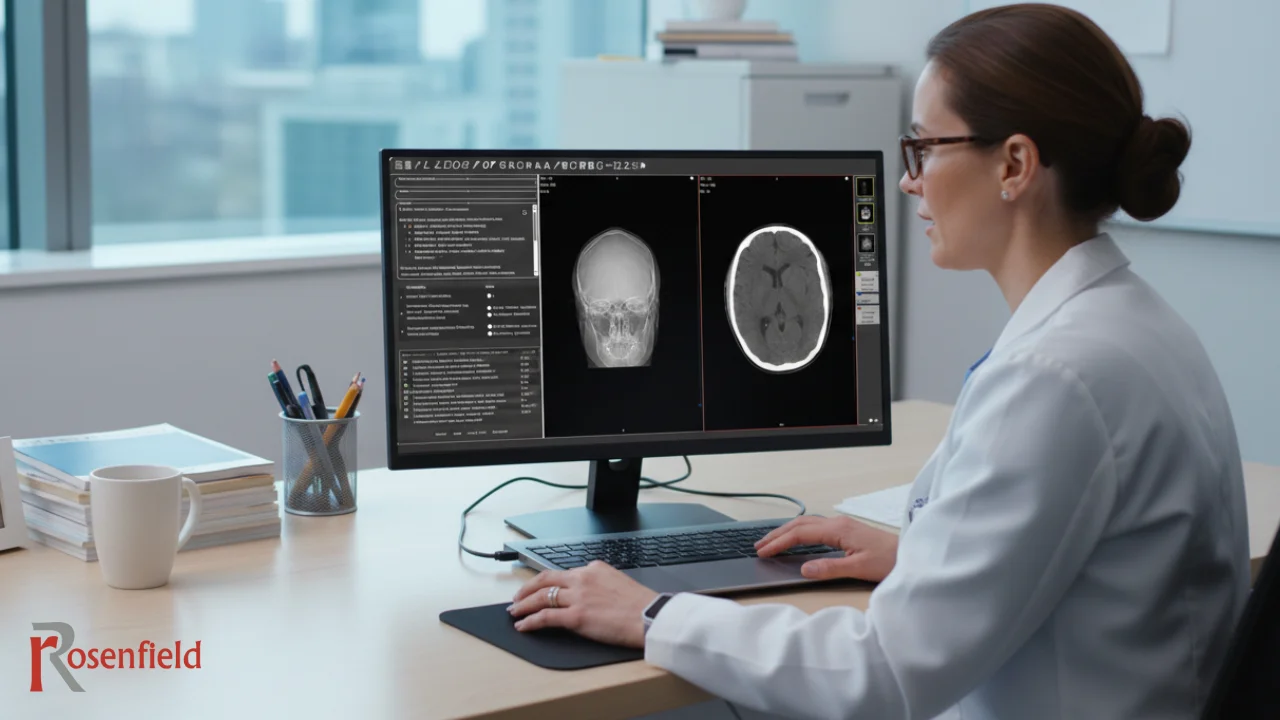
The process of peer review in radiology refers to another radiologist reviewing and evaluating radiology reports previously written by one of his colleagues, with the aim of ensuring the accuracy of the interpretation and the correctness of the conclusions reached by the first doctor. This process depends on comparing the opinion of the reviewing doctor with the original reports written by the first doctor.
This is done while ensuring that the same images and patient information that were available to the first doctor are provided to ensure transparency and fairness. Therefore, we can say that peer review is not just asking another colleague at work, but it is a precise process of formal, organised review that results in improving any errors or points that need modification. It is considered an educational opportunity for the first doctor because he will be reviewed and taught if his report is not of the required accuracy.
Types of peer review: blinded, internal, external
iCode Peer review mechanisms vary according to the level of transparency and the degree of anonymity between the participating parties, and each type has its advantages and disadvantages:
Internal review
The review process begins within the team itself in the radiology department, where a team of specialists reviews the reports and images of another colleague working in the same department. The co-authors review the review sheet before it is sent, and they exchange notes with the aim of reaching the required accuracy.
External review
It is an evaluation process conducted outside the radiology department where the examinations are performed. The reports are submitted to independent reviewers who have no connection to the workplace, with the aim of evaluating the quality and accuracy of the work and obtaining an objective and impartial evaluation.
Blinded review
Blinded review is a process in which radiology reports or images are evaluated without knowing the identity of the doctor who interpreted them or the identity of the doctor who is reviewing, to ensure the impartiality of the evaluation and avoid any personal influences or professional pressures. It is divided into several types, such as:
- Single-blind review: In this model, the reviewer knows the identity of the author, while the reviewer’s identity remains unknown. This type allows the reviewer the freedom to give feedback without worry, but knowing the author’s identity may sometimes result in some bias.
- Double-blind review: Here, the identity of both the author and the reviewer is hidden from the other party. This reduces the chance of bias and makes the evaluation based on the quality of the work only. However, the reviewer may still be able to guess the identity of the researcher through the writing style or the sources present.
- Triple-blind review: This is the most accurate and strict form, where the author’s identity is hidden from both the reviewer and the editor. Although it greatly reduces bias, it is sometimes complex to implement.
- Open review: In this type, the identity of the author and reviewers is declared, and the reviewers’ comments may be published with the research upon its publication, which enhances transparency and increases quality.
- Collaborative review: This is the newest type, where the process takes place through direct interaction between the author and the reviewers during the evaluation. This type is characterised by the speed of resolving disputes, clarifying different opinions, and discussing them quickly, but it requires more time for coordination between the parties.
Discover how an AI orchestration and automation platform can streamline complex workflows, reduce manual effort, and ensure seamless coordination across all AI systems.
Role of peer review in quality assurance
The radiology peer review process contributes to raising the level of accuracy in diagnosis and reducing the probability of error. This makes it a key factor in quality assurance through structured peer review in imaging within radiology departments. By evaluating radiology reports by other doctors, any differences can be discovered and any existing errors can be analysed, and then recommendations can be provided to improve performance. It also contributes to standardising the way images are interpreted and updating work standards.
Also, the concept of Peer Learning has recently emerged. This model depends on discussing cases in groups with the aim of analysing them and drawing lessons learned from them without criticism or blame for anyone. This creates a supportive environment that encourages self-development and improves collective performance through a comfortable system that enhances the skills of the participating doctors and improves their performance.
Implementing peer review programmes in radiology departments
Peer review programmes are implemented within radiology departments by establishing clear mechanisms for selecting cases, defining methods for comparing reports, and then discussing the results professionally without bias. These programmes rely on the random review of some reports to assess the accuracy of the diagnosis. The implementation of these programmes requires a balance between improving quality and maintaining the workflow without delay.
Studies show a significant difference between hospitals in the frequency of review, the size of the samples, as well as the evaluation criteria. To improve the peer review process, experts recommend following a unified model in the review process in which measurement standards are unified, such as choosing a fixed percentage of reports as well as the rate of their review, as it is preferable for the review to be monthly, and to be based on accurate and unified metrics among hospitals. Thus, the benefits of peer review radiology can be obtained.
Common obstacles in peer review
Despite the importance of peer review in radiology and its many benefits, it faces many difficulties in its application. The challenges of peer review in radiology are:
- A culture of blame and fear: Many view the idea of review as a punitive measure, which causes tension in the work environment.
- Bias: which occurs if the identity of the reviewer or editor is not hidden, and may result in favouring some at the expense of others.
- Unreliability: It has been found that some digital rating systems may show different results between reviewers for the same case.
- Subjectivity in judgement: The evaluation depends heavily on the reviewer’s opinion, which reduces objectivity and transparency.
- Poor participation: Some doctors see the review as just a formal or administrative step, which reduces serious interaction with reviewers.
Using software/tools to facilitate peer review
With the many challenges facing the peer review process in radiology, reliance on modern digital programmes has become necessary to support the idea of review in an organised and objective way. There are several characteristics that must be available in the digital system used, such as:
- Ease of use: The programme should be simple and integrated with the Radiology Information System (RIS) as well as the Picture Archiving and Communication System (PACS), which facilitates the doctor’s work.
- Maintaining anonymity: The identity of the report writer and the reviewer must remain unknown to both parties, to ensure the objectivity and accuracy of the review.
- Relying on comments instead of numerical ratings: It is preferable to dispense with numerical grading systems due to their inaccuracy, and instead replace them with a text comment box that allows for providing explanatory notes.
- Providing automated feedback: The radiologist should receive an automatic notification of any review made on his report, so that learning and development opportunities are not lost.
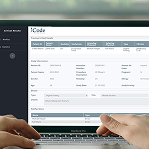
Here, we can point to the iCode Peer Review system as one of the modern models that have been developed to address these challenges. It offers a high-accuracy review platform, which is automated and integrated with PACS systems, while ensuring anonymity between the participating parties. The system also allows for anonymous professional communication between the reviewer and the doctor who owns the report to discuss the notes quickly and without sensitivity, which promotes a continuous learning environment and reduces bias. In addition, the system relies on the “On The Fly” feature, which allows the review to be conducted immediately while interpreting the images, instead of relying only on subsequent or scheduled reviews.
How peer review improves care?
The review process can contribute to quality assurance via peer review in radiology by contributing to several important points, such as:
- Raising the accuracy of diagnosis: Reviewing discrepancies and errors helps improve the quality of diagnostic reports.
- Increasing patient safety: Discovering errors early prevents incorrect treatment decisions from being made.
- Promoting continuing education: The idea of continuous review gives radiologists the opportunity to develop their skills.
- Building professional trust: The presence of effective review programmes enhances trust between radiologists and their colleagues.
Conclusion
Peer review in radiology is one of the most important tools that contribute to raising the quality of diagnosis and improving the level of health care provided to patients. It also extends to include promoting a culture of continuous learning and developing the skills of all workers within the radiology department. Peer review has become more accurate and effective than ever before due to the emergence of many tools that raise the efficiency of this process.
If you’re looking to implement an advanced peer review system with seamless PACS integration, Rosenfield Health provides innovative solutions that enhance accuracy, speed, and clinical outcomes.
FAQs
What does peer review in radiology mean?
Peer review is the evaluation of radiology reports and images written by a radiologist by another radiologist to ensure their accuracy and quality.
Why is peer review important?
Peer review is important because it helps improve the quality of diagnostic reports and reduce the chance of making mistakes. It also enhances the skills of doctors by reviewing them and reinforcing their information.
How often should peer review occur?
It is preferable that it be done regularly and periodically as part of a fixed quality program. Many often prefer to conduct it on a monthly basis, but there is no global agreement on a specific duration.
Are peer reviews anonymous?
Yes, it is preferable that they be anonymous to ensure an objective evaluation that is far from personal relationships and bias.
What tools help with radiology peer review?
The tools used in peer review are digital tools integrated with the PACS and RIS systems, which ensure anonymity and provide immediate feedback to the doctor who owns the report.
