

MDT Radiology Software: The Future of Cancer Care Efficiency
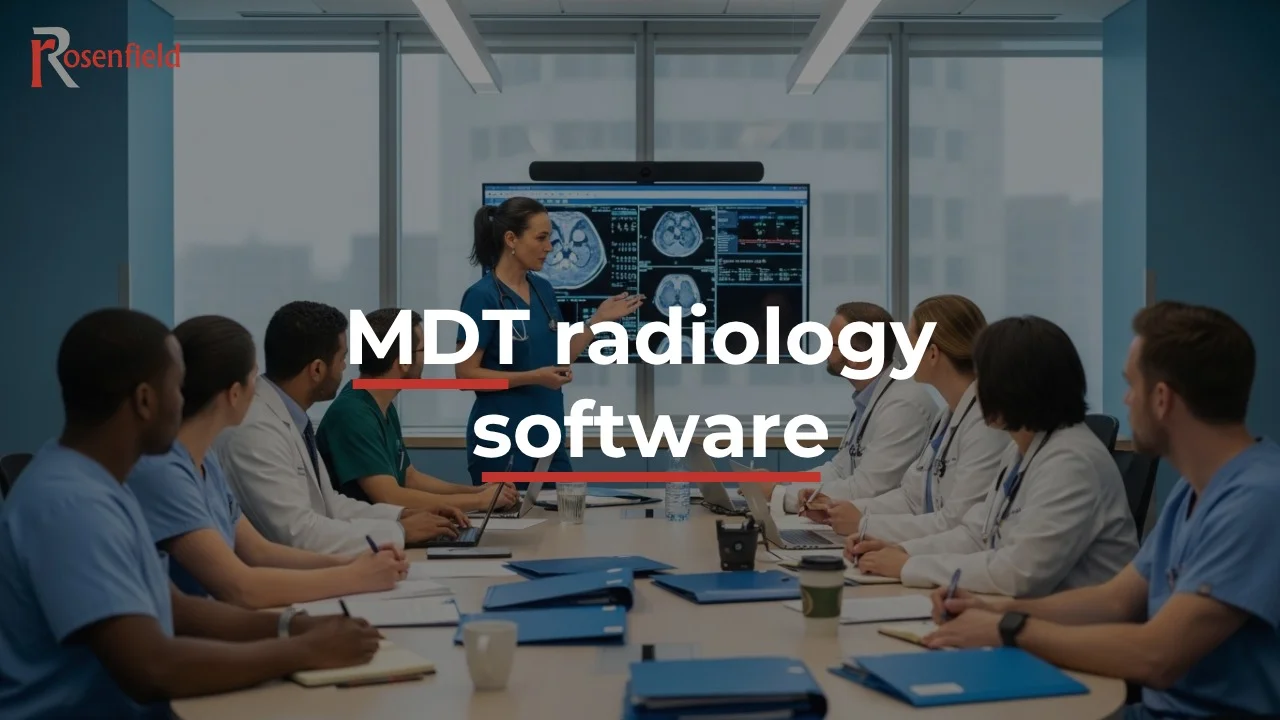
Within the complex framework of the cancer treatment pathway, Multidisciplinary Team meetings (MDTs), are the cornerstone of accurate clinical decision-making. During these sessions, specialists from various medical fields gather to comprehensively review each case and establish the best possible treatment plan. With increasing clinical pressure and regulatory complexities, MDT radiology software has emerged as a pivotal solution that transforms these meetings from a complex administrative burden into a more efficient and smooth clinical process, thereby enhancing the quality of decision-making and accelerating the path to the ideal treatment plan.
What Is MDT Radiology Software?
MDT radiology software refers to integrated digital platforms designed to organise MDT meetings while strengthening the role of radiology in supporting medical decisions. These programmes unify patient data, display medical images and scans, and document discussions and recommendations within a single centralised environment rather than relying on scattered manual procedures. The radiology MDT software is the core component within this system and typically includes three main modules:
- Process Automation: This module facilitates administrative tasks such as meeting scheduling and case preparation.
- Intelligent Decision Support: This focuses on linking cases to clinical guidelines and medical knowledge bases.
- Diagnostic Assistance: This uses artificial intelligence to analyse medical images and detect lesions with higher accuracy.
How Does MDT radiology software Fit Into the NHS Cancer Pathway?
Since the launch of the National Cancer Plan in the United Kingdom in 2000, Multidisciplinary Team meetings have become an essential part of the cancer treatment pathway within the National Health Service, or NHS. This ensures a comprehensive evaluation of every case by a team of specialised experts. Therefore, MDT radiology software plays an important role in supporting this pathway, especially in cancer MDT meetings radiology, by providing a digital structure that helps organise work and facilitate information exchange among team members.
These programmes aggregate patient data and medical images into a single platform, making them easily accessible during clinical discussions. This enhances collaboration between medical teams even when they are in different geographical locations. It also contributes to reducing administrative complexities and accelerating the decision-making process, ensuring that the treatment plan is based on accurate and comprehensive information, which is reflected in improved care quality and faster treatment initiation.
Key Features to Look for in MDT Software for Radiology
When evaluating MDT radiology software, it is important to focus on features that support clinical efficiency and improve workflow, rather than just meeting capabilities. Examples include:
- Data integration from multiple sources: The ability to automatically pull and aggregate patient data from systems such as HIS, RIS, and LIS to create a unified file.
- Data governance and security: Providing robust protection for patient data through encryption and access controls, while complying with standards such as HIPAA and GDPR.
- Evidence-based decision support: By linking cases to the latest clinical guidelines and medical knowledge bases to support accurate decisions.
- Integrated image analysis capabilities: Supporting the display of DICOM images at diagnostic quality with the possibility of integrating with AI tools for analysis.
- Workflow automation: Reducing administrative tasks through reporting, decision tracking, and sending updates automatically.
The Problem With Manual MDT Preparation in NHS Trusts
Manual preparation for Multidisciplinary Team meetings represents a major challenge within radiology departments in NHS Trusts. It consumes significant time and effort from doctors and affects daily work efficiency. Studies indicate that these meetings constitute a noticeable burden on radiologists, especially with the reliance on traditional methods that require collecting clinical data and previous images manually and organising them appropriately for display.
Some studies have shown that monthly preparation time can reach 74.6 hours for registrars, 47.93 hours for residents, and 18.67 hours for consultants. These hours are often outside official working times. This increasing pressure highlights the need for technical solutions such as the MDT software NHS, which can reduce this burden by automating data collection and organisation, thereby contributing to improved workflow and freeing up radiologists’ time for other clinical tasks.
How MDT Software Reduces Radiologist Workload
MDT radiology software contributes to reducing the burden on radiologists by automating tasks that were previously completed manually. This is particularly evident in the radiology worklist software that organises cases and facilitates quick access to them. Instead of spending hours collecting data and medical images, these systems aggregate and display them automatically in a single platform ready for discussion, which has led to:
- An increase in the number of cases that can be discussed during meetings.
- A reduction in the time required from radiologists for each case.
- Improved data utilisation and more accurate analysis.
Virtual vs Hybrid MDT Meetings: What Works Best for NHS Teams?
With the evolution of work patterns after the COVID-19 pandemic, many MDT meetings in the NHS have moved towards virtual and hybrid models instead of traditional meetings. In virtual meetings, all members participate remotely, while hybrid meetings combine physical attendance with online participation, relying on tools such as the Radiology PACS software to display and share medical images efficiently.
Studies have shown that both models provide important advantages, such as facilitating the participation of experts from different locations and overcoming geographical constraints. In fact, their results may be similar to or better than face-to-face meetings in terms of decision quality. However, challenges such as technical issues and poor internet connectivity remain. Therefore, choosing the most appropriate model depends on infrastructure readiness and the medical team’s preferences.
iCode MDT: A Vendor-Neutral Solution Built for Radiology Teams (Rosenfield Health product)
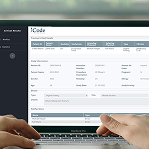
To face the challenges associated with managing MDT meetings, advanced solutions like iCode MDT (Tumor Board) have been developed. This is an effective model for MDT radiology software that relies on an integrated web platform aimed at simplifying the entire workflow, from case preparation to documenting final decisions.
The role of this platform is not limited to holding meetings only; it acts as an integrated system for managing tumour boards. It automates administrative tasks and unifies patient data in a single interface while facilitating real-time collaboration between medical teams, whether within the same institution or across different sites.
It is also distinguished by being vendor-neutral, allowing it to integrate easily with existing PACS and EMR or HIS systems without restricting the trusts to a closed technical system.
How iCode MDT Supports Faster, Better-Informed MDT Decisions
As one of the most prominent MDT radiology software solutions, iCode MDT contributes to improving the quality and speed of decision-making by addressing the deficiencies of traditional methods. It is an effective example of a tumour board software in the UK designed to support oncology teams, featuring:
- More efficient preparation: Patient data and medical images are collected automatically in one platform, reducing the time professionals spend on preparation.
- Fast access to information: This allows all team members to review cases in advance and helps in discussing a larger number of patients during the meeting.
- Organised and accurate documentation: All discussions and decisions are recorded clearly within the system, making it easier to refer to them later and enhancing transparency in decision-making.
Therefore, do not hesitate to discover how MDT radiology software like iCode MDT can help you automate workflows, save doctors’ time, and improve the accuracy of clinical decisions.
Conclusion
MDT radiology software solutions are no longer just supporting tools; they have become an essential element in improving the quality of care provided to cancer patients. They move beyond the traditional organisational role to become a central part of the clinical workflow, especially with the presence of an MDT coordinator radiology who relies on these platforms to facilitate meeting management and ensure the flow of information. By reducing the administrative and logistical complexities associated with traditional meetings, these programmes contribute to saving radiologists’ time, enhancing collaboration among them, and ensuring that every treatment decision is built on accurate and comprehensive data.
Take the first step toward a seamless MDT workflow. [Contact us to book your iCode MDT demo]
FAQs
What does MDT stand for in radiology?
MDT refers to the Multidisciplinary Team, which is a meeting that brings together specialists from different medical fields, including radiologists, with the aim of collectively discussing clinical cases and developing an appropriate treatment plan for each patient.
Is MDT software used in NHS hospitals?
Yes, it is used extensively within National Health Service hospitals. MDT meetings are a fundamental and mandatory part of the cancer treatment pathway to ensure a comprehensive evaluation of cases and to provide high-quality healthcare based on collaboration between different specialities.
Which companies provide MDT radiology services for cancer care in the UK?
Multiple companies offer MDT radiology software solutions, and cancer MDT tools are a fundamental part of them for improving meeting efficiency within the NHS. Among the most prominent of these companies is Rosenfield Health, which provides integrated systems that support workflow and integration with different health systems.
How does MDT software integrate with PACS?
Advanced MDT software connects directly to the PACS system to automatically pull and display DICOM images within the case file, eliminating the need to navigate between different systems and accelerating access to information during the meeting.
What is the radiologist's role in a cancer MDT meeting?
The radiologist is an essential element in the MDT meeting, where they are responsible for presenting and interpreting diagnostic images such as CT and MRI, contributing to determining the stage of the disease, assessing its spread, and monitoring the response to treatment.
How can MDT software reduce MDT preparation time?
MDT programmes reduce preparation time by automating the collection of patient data from multiple systems such as RIS, LIS, and HIS, and unifying them in a single organised interface that facilitates quick access to information for doctors.
How often are cancer MDT meetings held in the NHS?
MDT meetings are held regularly within the NHS, often weekly, to review new cases and discuss complex cases to ensure accurate treatment decisions are made.
What's the difference between tumour board software and MDT radiology software?
A tumour board programme is a specialised application of MDT software that focuses only on cancer cases, while an MDT radiology software is used more broadly to support multiple medical specialities including oncology and others.
