

Radiology Training Resources
The training pathway in the radiology specialty within the United Kingdom is considered one of the most organised and efficient professional pathways in the world. The modern healthcare environment requires qualified radiologists to deal with advanced technologies and complex clinical cases. The National Health Service system provides comprehensive training programs to ensure the development of distinguished medical professionals capable of making accurate decisions. This guide reviews the best Radiology training programmes UK to ensure the sustainability of professional competence and standardise diagnostic care criteria.
The Two Types of Radiology Training Every NHS Radiologist Needs
Certified radiological training in the UK is divided into two basic pathways, and every radiologist needs to pass through these two types to ensure the provision of safe care:
Foundation and Formal Training Programs
It focuses on qualifying junior radiologists through organised and intensive programmes inside trusts and radiology academies. The main goal is to provide the radiologist with accurate anatomical and pathological knowledge and train them on using various medical imaging technologies to obtain the Certificate of Completion of Training (CCT) and accreditation as an independent consultant and build a solid base of certified Radiology Education outputs.
Continuous Medical Education and Peer Learning
It begins immediately after the completion of formal training and continues throughout the professional practice period of the consultant radiologist. The focus is placed on updating clinical information and keeping pace with rapid technological developments in imaging devices and emerging diseases. This stage relies on attending Radiology Courses UK conferences and reviewing diagnostic discrepancies with colleagues to ensure maintaining the license to practice and renewing professional accreditation periodically.
Formal Radiology Training Programmes in the UK: What the NHS Pathway Covers
Joining the formal training programme in the UK requires passing an accurate evaluation process and strong competition among applicants. The Radiology Trainee Programme pathway is a five-year run-through programme from specialty training year one (ST1) to year five (ST5) to cover all branches of general radiology. Subspecialising in certain fields like interventional radiology, the officially recognised subspecialty, requires an additional sixth year (ST6) of training to ensure mastering complex procedures.
Trainees commit to passing the Fellowship of the Royal College of Radiologists (FRCR) exams consisting of several parts that evaluate theoretical knowledge and practical diagnostic skills. Radiologists receive their training inside radiology academies spread in various regions of the UK to provide an intensive educational environment combining theoretical education and analysing live medical images.
Passing these stages ensures fulfilling all Radiology Accreditation and Certification UK requirements to obtain the final accreditation to work as a consultant inside the health service.
Where Formal Training Ends — and Continuous Learning Begins
The radiologist obtains the certificate of completion of training to start their career as an independent consultant, bearing full responsibility for their diagnostic decisions. The quality of clinical performance in this stage depends on active participation in educational activities and meeting the following professional requirements:
- Collecting Continuing Professional Development (CPD) points annually to prove commitment to updating medical knowledge and applying best practices.
- Participating in the comprehensive Annual Appraisal to review clinical performance and discuss future development goals with medical management.
- Passing the Revalidation process every five years to confirm professional validity before the General Medical Council in Britain and avoid the suspension of the license to practice the profession.
The Best CPD and Peer Learning Resources for NHS Radiologists in 2026
Available resources to support Continuing Professional Development In Radiology programmes diversify inside British trusts to ensure competence continuity and raise diagnostic quality, and these resources include multiple tools and methodologies including the following:
- Radiology Events and Learning Meetings (REALM): Radiologists meet to discuss diagnostic discrepancies and turn them into constructive educational opportunities that support patient safety.
- Interactive digital educational platforms: Provide huge databases containing rare and diverse clinical cases to expand the visual horizons of radiologists.
- Modern NHS radiology training programmes: Use technology to automate peer review and facilitate the exchange of experiences between colleagues in a blame-free environment.
- Periodic medical conferences and workshops: Present the latest technologies and certified clinical guidelines to ensure radiologists stay permanently informed of updates.
How Teaching Files Support Radiology Education Across NHS Departments
Radiology Teaching files contribute to raising the level of clinical quality through:
- Helping resident radiologists understand rare diseases and recognise precise imaging patterns that are difficult to encounter daily in routine work.
- Providing reliable content to support the Radiology Exam Preparation pathway and helping trainees prepare for fellowship exams successfully via providing realistic and documented examples.
- Providing the opportunity for consultant radiologists to return to previous reference cases when facing complex diagnoses, which enhances their professional confidence and supports the accuracy of medical reports.
- Preserving the institutional memory of the department through archiving atypical cases to ensure lessons learned are not lost and transferring them to successive generations of radiologists.
How iCode Teaching Files Help NHS Departments Build and Share Clinical Cases
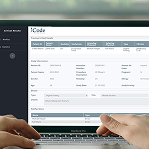
The iCode Teaching Files platform from Rosenfield Health provides an integrated digital environment that acts as the best Radiology Learning Platform to document interesting cases easily and quickly. This platform contributes to enhancing the Medical Imaging Education ecosystem through providing the following exceptional features:
Complete and Reliable Anonymization
The platform is distinguished by its superior ability to anonymise patients’ data automatically according to strict privacy standards. The tool filters images of any identifying information before saving them in the education archive to ensure the institution’s compatibility with data protection laws.
Advanced Multimedia Support
It allows extracting radiological studies and attaching them to comprehensive multimedia files such as presentations and explanatory video clips to support adequate medical explanation and clarify complex clinical points to trainees accurately.
Comprehensive Testing and Evaluation Module
The tool provides an integrated testing module enabling experts to create multiple-choice questions based on archived images, allowing supervisors to track trainees’ progress and direct their educational pathway with high professionalism based on continuous evaluation results.
Database Independence
This ecosystem operates on an independent server equipped with a database completely separate from the trust’s main systems. This architecture guarantees the security of the educational archive and the ease of retrieving cases and sharing them among radiologists at any time, even in the event of changing the trust’s main Picture Archiving and Communication System (PACS) provider.
Are you looking for an integrated and secure platform to build the educational cases archive for your radiology department and develop your medical team’s skills?
Contact us today at Rosenfield Health to request a demo to discover how the iCode Teaching Files platform can automate training cases management and provide an interactive educational environment that enhances your efficiency continuously.
FAQs
How competitive is radiology training in the UK?
Training in the radiology specialty is considered one of the most competitive medical pathways in the UK due to high demand for it. These programmes attract a very large number of applicants and strong competition, which requires strong academic and practical preparation to pass the precise interviews and tests.
How long is radiology training in the UK?
The basic training programme in clinical radiology extends for five continuous years to obtain the required qualification and complete the Royal College's requirements.
What is REALM in radiology education and training?
The term REALM refers to Radiology Events and Learning Meetings dedicated to discussing complex cases and diagnostic discrepancies periodically with the aim of extracting lessons learned, improving the quality of medical care, and developing the skills of the entire medical staff.
What CPD is required for NHS radiologists after qualification?
Consultant radiologists are committed to collecting a specific number of Continuing Professional Development (CPD) points annually by attending conferences, workshops, and participating in peer review to pass the annual appraisal and revalidation processes imposed by the General Medical Council.
What are teaching files in radiology?
They are specialised digital libraries containing radiographic images of real clinical cases chosen carefully for training and research purposes. These files are used as vital reference tools to help trainees and radiologists recognise rare diseases and understand complex imaging patterns practically and documentedly.
How can NHS radiology departments build a teaching file library?
Medical departments can build these libraries by relying on specialised and secure software platforms that ensure pulling images and stripping them of the patient's identity automatically. These advanced software programmes provide tools to upload multimedia and write clinical notes to form a sustainable educational archive that can be shared securely among all medical team members to enhance Radiology Training UK effectively.
